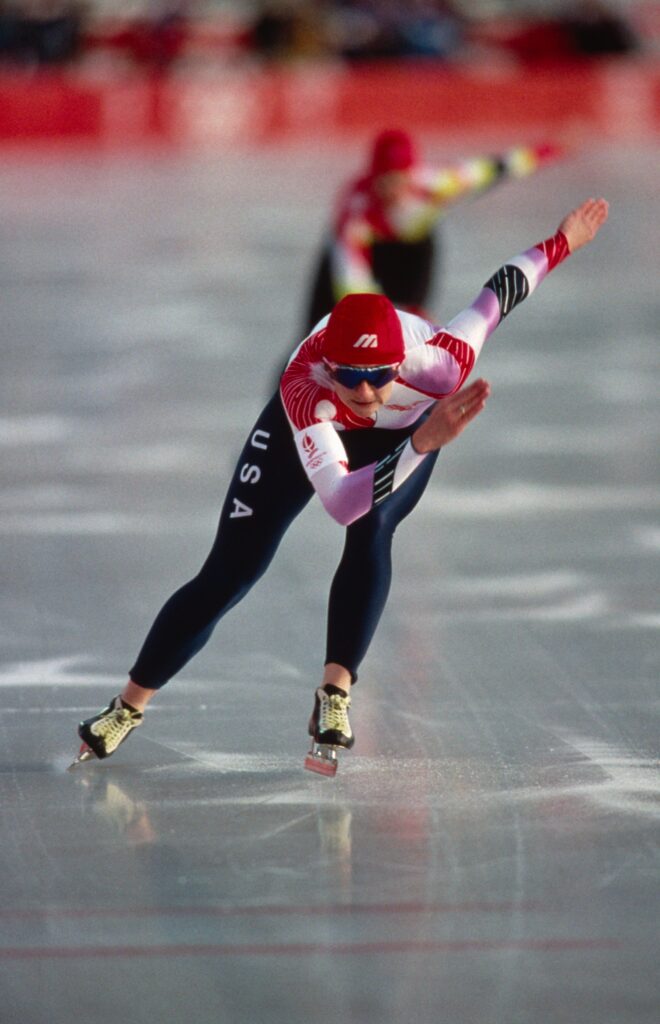
From total exclusion to the pursuit of equality: the history of women’s participation in the Olympics is a long journey of obstacles and achievements. In ancient times, women were not even allowed to attend the Games. Pierre de Coubertin, the father of the modern Olympics, deemed women’s sport “the most unsightly thing that human eyes could contemplate” and consequently barred women from participating in the Athens Olympic Games of 1896, the first of the modern era.
The first official participations came in Paris 1900, but they were relegated to sports considered “feminine” such as skating, golf, or tennis. Throughout the twentieth century, the number of female athletes grew, but many disciplines remained barred. Only in the 21st century have decisive steps been taken: from women’s boxing in London 2012 to numerical parity at the 2018 Youth Games, and the mandatory mixed representation in Tokyo 2020.
The 2026 Milan Cortina Olympics represent a further step forward, with 47% of the nearly 3,000 participants being female and 50 of the 116 events dedicated to women’s competitions.