One of the most well-known symbols of the Olympics, the torch expresses a strong connection between the Games celebrated in ancient Greece and those of the modern era. The sacred fire burned in the sanctuary of Olympia, while the journey of the torch represents an innovation introduced at the 1936 Berlin Games. A relay torch bearers brought the flame lit in Greece to the capital of the Reich.
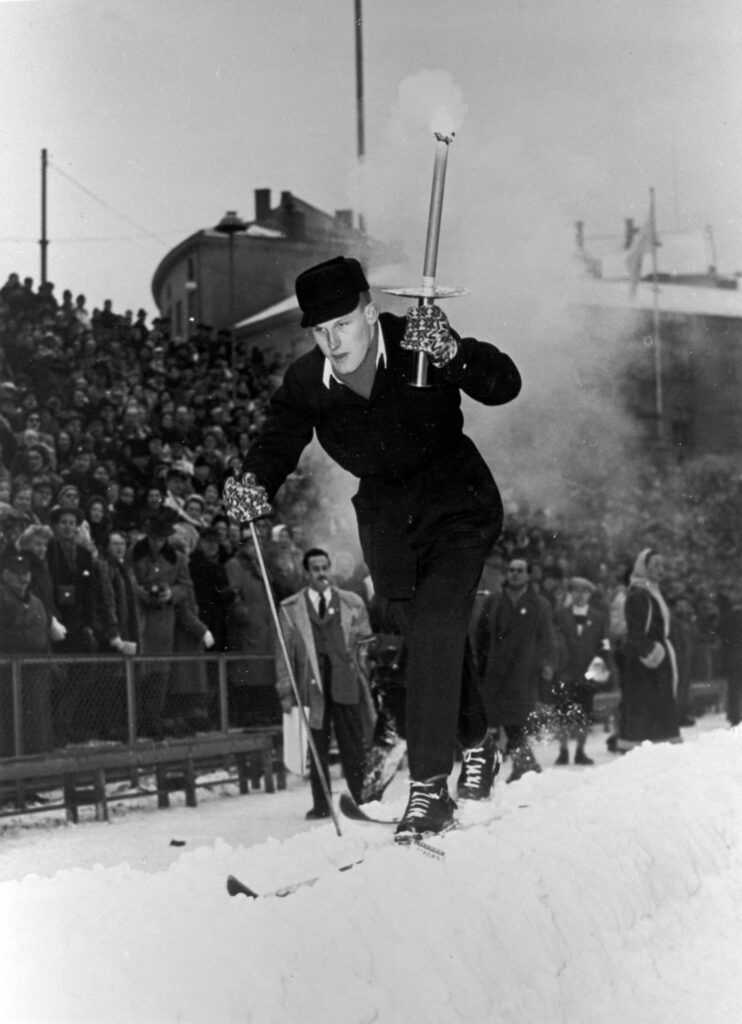
The first relay of the Olympic Winter Games was in Oslo in 1952: a torch was lit in the home of Sondre Nordheim – a pioneer of modern skiing – and carried to the capital. Since 1964, the flame of the Winter Games has also been born in Olympia: the lighting, achieved by channeling the sun’s rays through a parabolic mirror, is a key element of the ceremony.
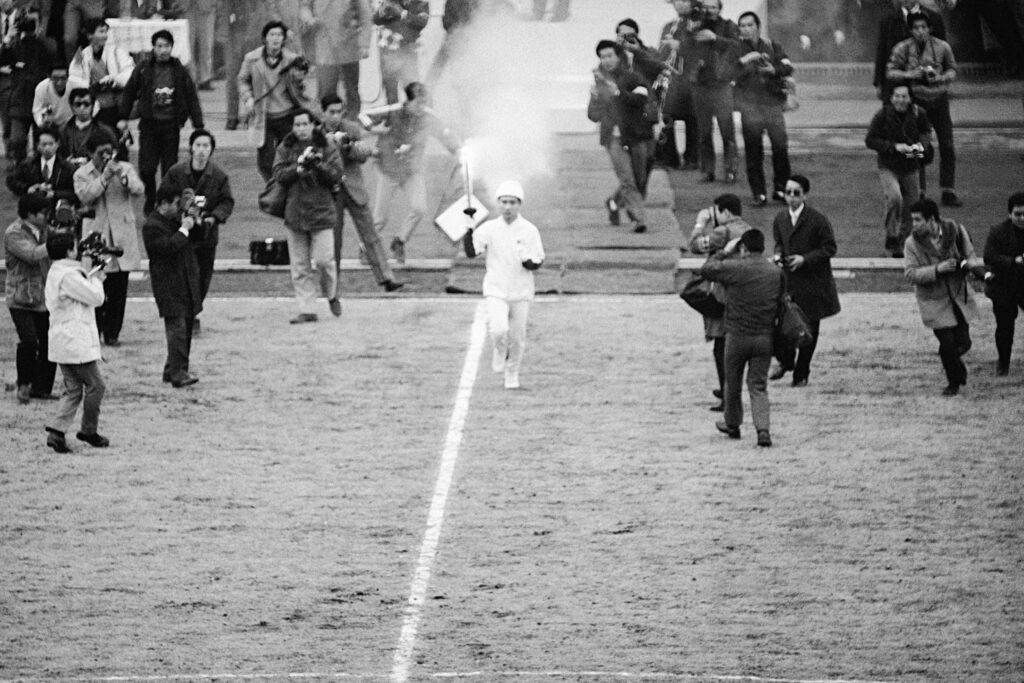
During its journey, the torch passes through the hands of thousands of torchbearers, originally young male athletes. Beginning with the 1972 Munich Games, the relay was opened to women, people with disabilities, and – over the years – ordinary citizens selected by the Organizing Committees.
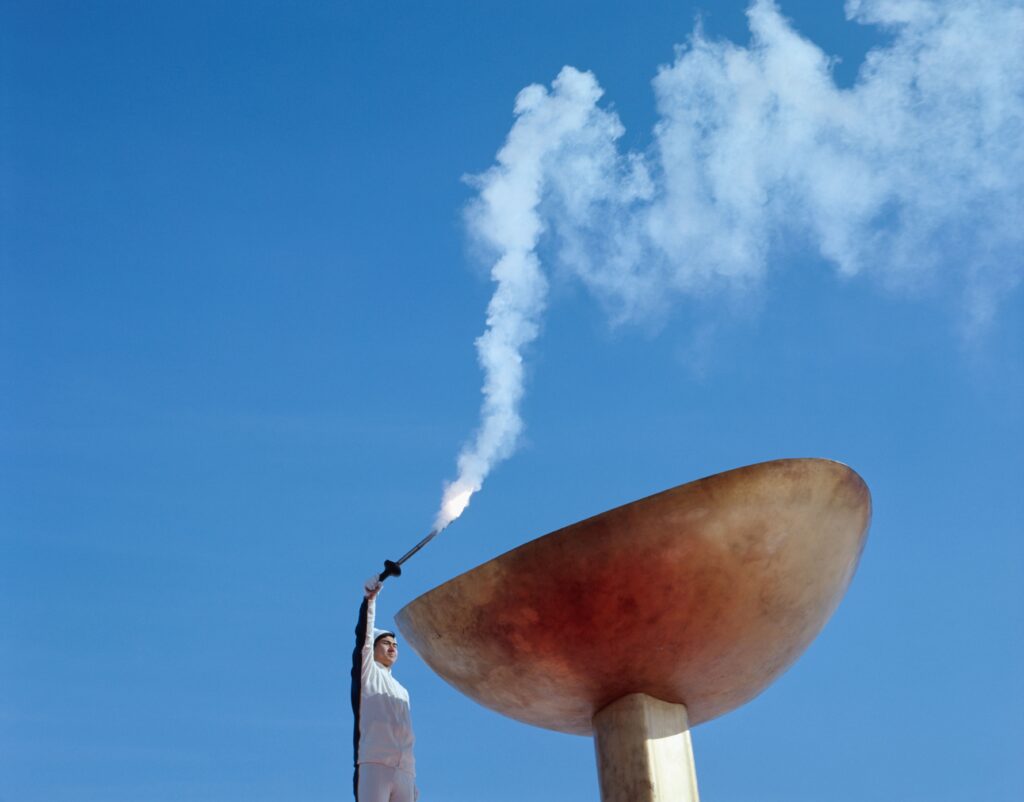
Protected by special lanterns, the Olympic flame travels through nations and cities, carrying a message of unity and understanding between peoples and cultures. The journey ends in the Olympic Stadium, where the last torchbearer lights the cauldron during the opening ceremony.
This solemn gesture officially opens the Games, and the flame will only be extinguished at their conclusion.