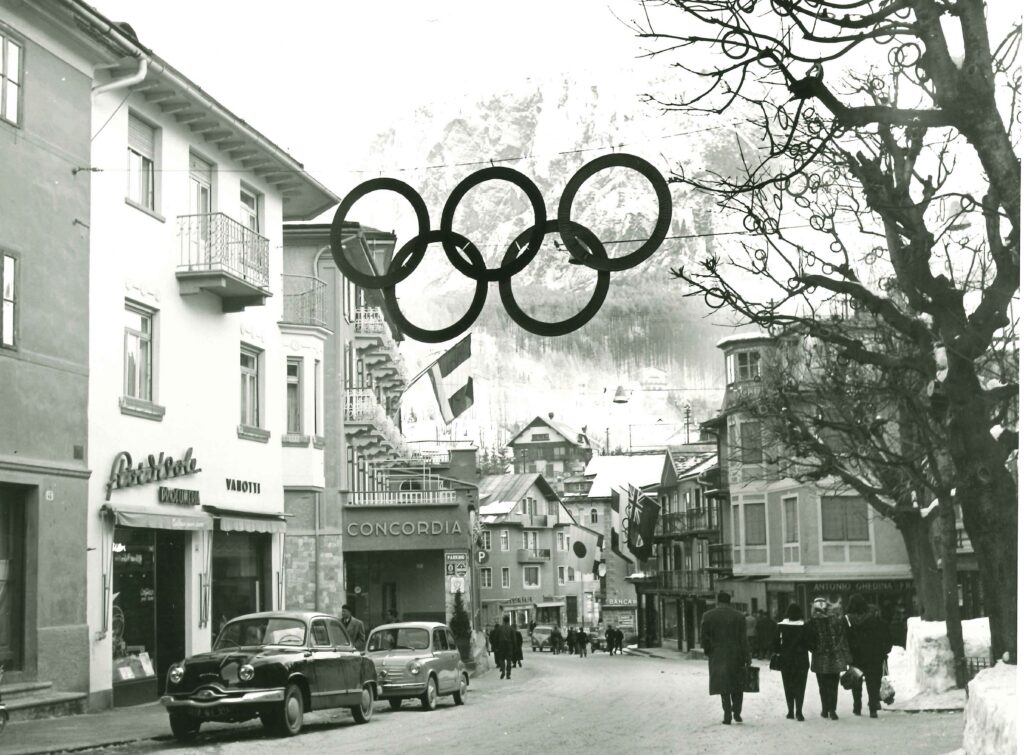
Cortina d’Ampezzo was supposed to host the 6th Winter Olympics in 1944, but did not due to the prolongation of World War II. Reassigned to the Dolomite resort in 1949, the Cortina 1956 Games marks Italy’s debut on the Olympic stage.
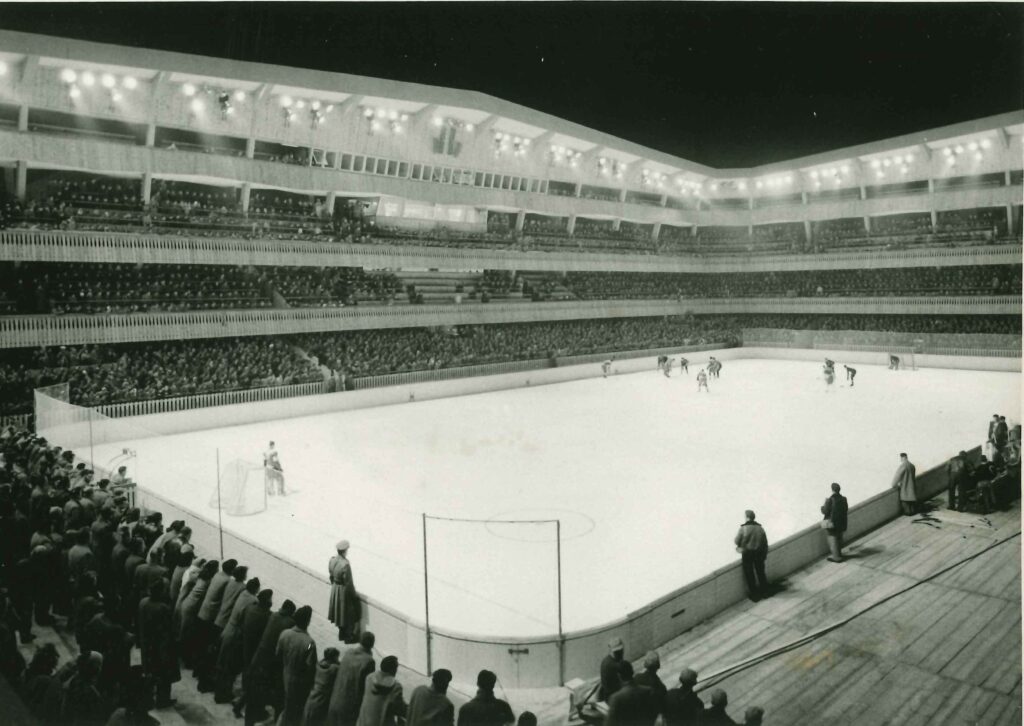
Already equipped with cross-country skiing and speed skating trails, iconic facilities such as the Ice Stadium and the Trampolino Italia, which are destined to stand the test of time, are added to Cortina d’Ampezzo. Live television coverage contributes to building a modern image of the mountains and boosting sports tourism.
The Winter Olympics returns to Italy 50 years after Cortina when the 2006 edition is assigned to Turin. The Piedmont capital established itself thanks to a solid infrastructure project and a multi-level organization that extended across the entire region.
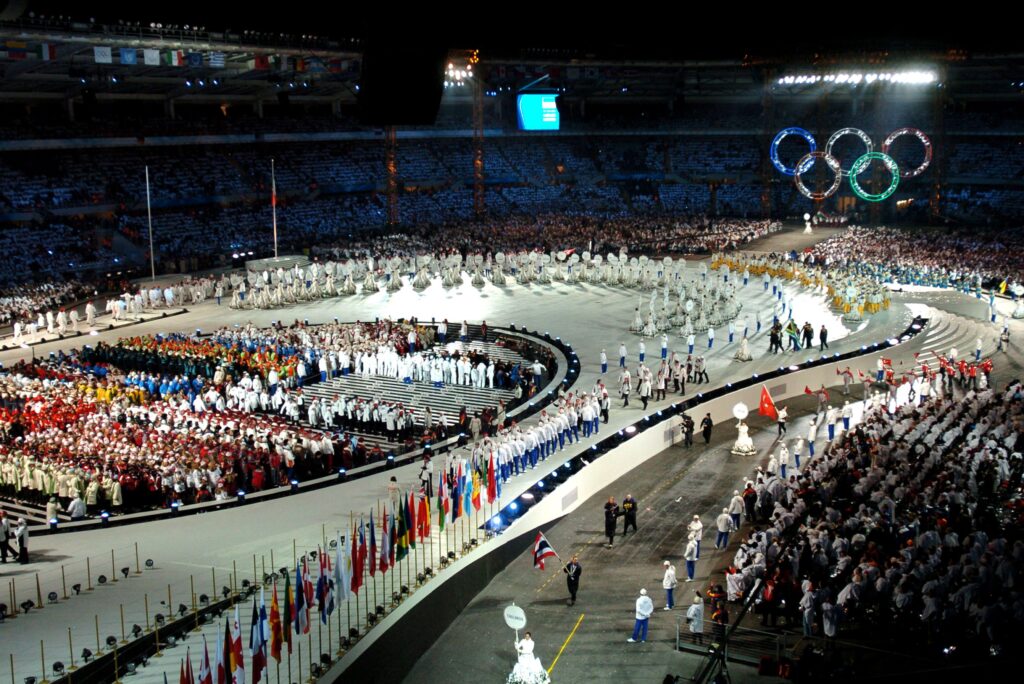
Three Olympic villages, dozens of renovated or newly built facilities: Turin is also establishing itself as a tourist destination, and Italy is further gaining recognition for hosting major events. The opening ceremony at the Olympic Stadium is the most watched television event of 2006, crowned by Luciano Pavarotti’s last public performance.
Twenty years later, major projects such as the Pragelato ski jumps and the Cesana bobsleigh track urge us to reflect on environmental transformations and the significant challenge of post-Olympic sustainability.